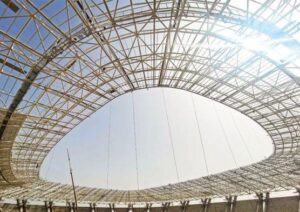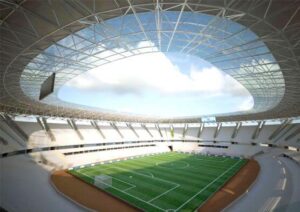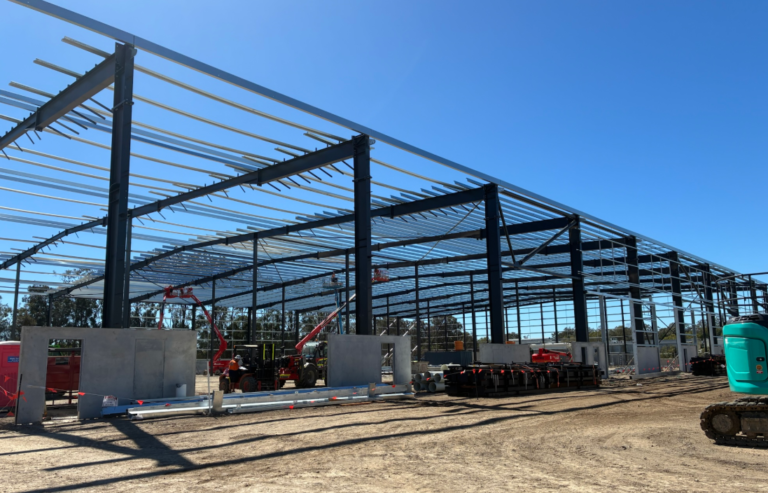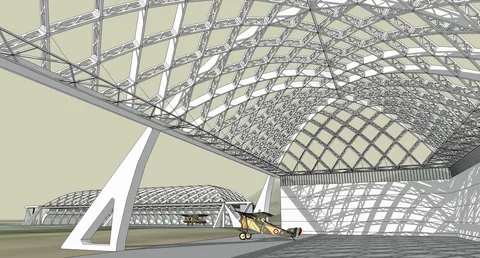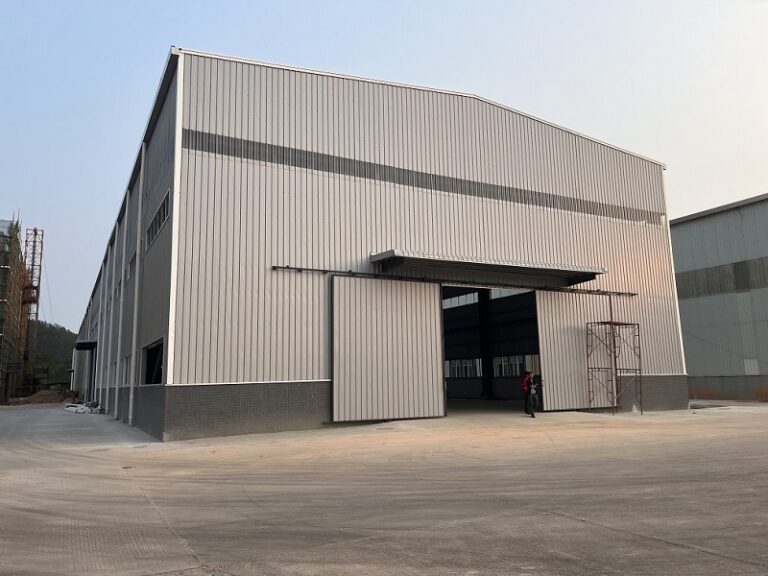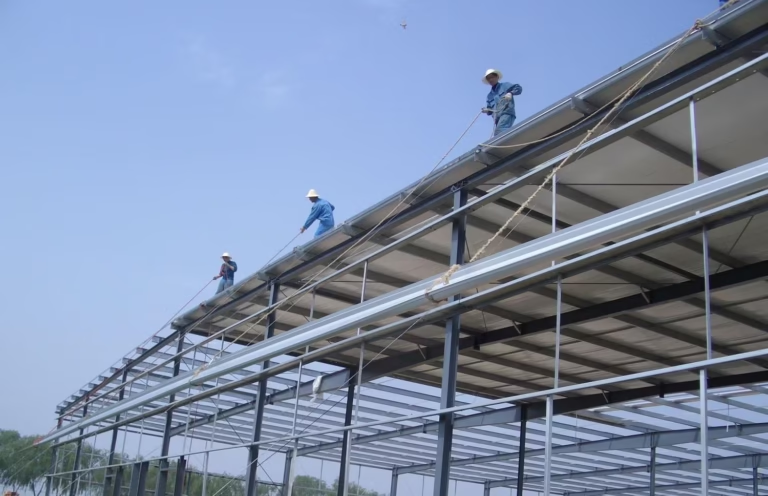
A space truss roof is one of the most advanced and reliable roofing systems used in modern football stadiums. Built from interconnected steel or aluminum members, these structures span the full length and width of the stadium, creating a strong yet lightweight framework that supports the roof. Depending on design requirements, materials such as steel, aluminum, reinforced concrete, or even wood can be used, with connections arranged in various geometric patterns to achieve both strength and aesthetic appeal.
Key Advantages of a Space Truss Roof
-
Durability – Engineered to withstand heavy loads and high pressure, space trusses ensure long-term structural stability for large-scale stadium projects.
-
Cost–Effectiveness – By optimizing material usage, truss systems lower overall construction costs, making them an economical choice for stadium owners and developers.
-
Design Flexibility – The modular nature of trusses allows architects and engineers to customize layouts based on stadium size, function, and environmental conditions.
-
Weather Resistance – Designed to perform in harsh climates, space truss roofs stand up to wind, rain, snow, and other environmental stresses, ensuring safety and reliability year-round.
-
Ease of Installation – Prefabricated truss components streamline the assembly process, significantly reducing on-site labor and installation time
With their combination of strength, cost savings, and adaptability, space truss roofs have become the go-to solution for modern football stadium design, ensuring both safety and an enhanced spectator experience.